
Home » Services
Removals in London
Services
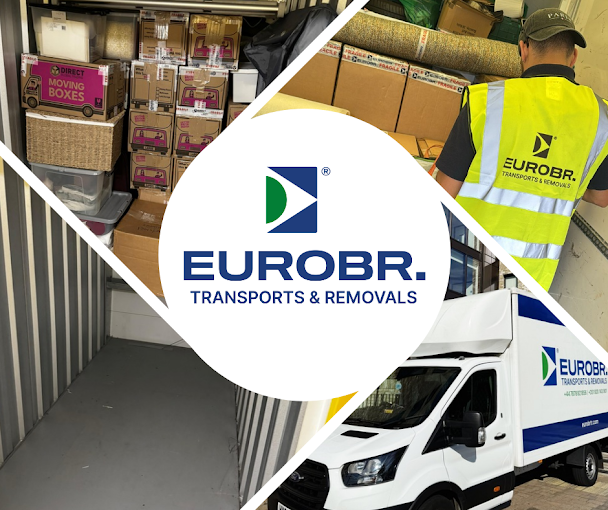
A fully insured, door to door home moving service across Greater London and the M25. From a one bedroom flat to a family house, we pack it, move it and rebuild it.
- Studios, flats and houses of any size
- Packing, dismantling and reassembly included on request
- Goods in Transit insurance on every move
- Parking and bay suspensions arranged for you
Services
Services in London
From a single box across town to a full container overseas.
Services
International removals
From a single box across town to a full container overseas.
Removals to Europe
Whether you’re relocating to France, Spain, Portugal, Germany, or beyond, we tailor each move to your specific needs — from careful packing to safe delivery.
Removals to Brazil
We take care of every step of your move – from collection and customs paperwork to safe shipping and delivery – so you can focus on what really matters: being close to your loved ones and starting your new chapter in Brazil.
Removals to Portugal
Whether you’re moving to Lisbon, Porto, Madrid, Barcelona, or the Algarve, our experienced team will handle every step of the journey, so you can settle in with confidence.
FAQ
House and flat removals: common questions
The cost of a house or flat removal in London depends on a few measurable factors rather than a single fixed rate. The main ones are the size of the property, the total volume of belongings, the distance between the two addresses, the floor level and whether lifts or stairs are involved, and any extras such as packing, dismantling or storage. A studio or one bedroom flat with easy access sits at the lower end, while a three or four bedroom house with stairs and a large volume sits higher. Parking restrictions can also affect the final figure, because some London boroughs charge for a bay suspension. Most established movers price a home move after a short survey, which is why a serious quote is based on your specific move rather than a headline number. For a fuller breakdown of what shapes a price, the guide to moving costs in London explains each factor in detail and how to plan a realistic budget.
For a house or flat move in London, booking two to four weeks ahead is a sensible guide, though it varies with timing and complexity. The busiest periods are the end of the month, Fridays and the summer, when demand for removal teams is highest and preferred slots fill quickly. Booking early gives more choice of date and more time to arrange packing and parking. Parking is often the overlooked part: many London boroughs require a bay suspension or dispensation to be applied for several working days in advance, and late applications can incur short notice fees. If your move depends on a completion date or a tenancy handover, it is worth provisionally arranging the move as soon as that date is likely, then confirming once it is fixed. Short notice and same day moves are still possible when a team is available, but they leave less room to organise the details. The moving checklist sets out a helpful timeline for the weeks leading up to moving day.
In much of London, yes. Most homes have no private driveway, and many streets have controlled parking, single or double yellow lines, or resident only bays that a removal van cannot legally use without permission. To load and unload legally, movers usually arrange one of three temporary measures: a parking dispensation, which allows a vehicle to park in a restricted spot for a set period; a parking suspension, which reserves a bay solely for the removal; or a temporary parking permit. Each London borough runs its own system, sets its own fees, which can range widely per day, and requires the application to be submitted a number of working days in advance. Getting this wrong can mean fines or no space for the van on the day, which delays the whole move. A professional removal company will normally handle the application for you once the addresses are known. The London parking and bay suspension guide explains each permit type, the borough by borough fees and the processing times to plan for.
With a professional removal company, belongings are normally protected in transit, but the type and level of cover varies, so it is worth understanding the terms. The standard for the industry is Goods in Transit insurance, which covers items while they are being carried in the vehicle, and CMR cover, which applies to international road transport. These are different from a household contents policy and usually have defined limits and conditions, such as how fragile or high value items must be packed to be covered. Informal operators, including some low cost man and van services, often carry no insurance at all, which is one of the main risks of choosing on price alone. Before booking, it is reasonable to ask a mover to confirm their cover in writing and to read the policy documents. EUROBR publishes its insurance schedule and booklet openly. You can read more about the cover and the paperwork behind an international move on the CMR regulations page.
Both are common, and the right choice depends on time, budget and how fragile the contents are. A full packing service means the removal team brings the materials and packs everything, from wardrobes to kitchenware, which saves time and tends to protect fragile items better because they are wrapped by people who do it daily. A partial service is a middle ground, where the company packs only the delicate or awkward items, such as glassware, artwork or electronics, and the household handles clothes and books. Packing yourself is the cheapest option but takes longer and shifts responsibility for how well items are protected, which can matter for insurance if something is poorly packed. Whichever you choose, using proper boxes and materials rather than reused supermarket cartons makes loading safer and reduces breakages. Many movers, including EUROBR, supply packing boxes and materials whether or not you book the packing service. Deciding this early also helps the quote, since packing affects both the time on the day and the final price.
Yes, furniture dismantling and reassembly is a standard part of a full house or flat removal. Large items such as beds, wardrobes, flat pack units, tables and desks often cannot be moved safely or fit through doorways and stairwells while assembled, so the team takes them apart before loading and rebuilds them at the new address. Doing this properly matters, because fixings are easily lost and some flat pack furniture weakens if it is dismantled and rebuilt carelessly. A professional crew keeps the fittings organised and reassembles items in the room where they belong, so everything is usable on the first night rather than left in parts. It is helpful to flag any particularly complex or antique pieces at the survey stage, since these may need extra care or time. Reassembly is also offered on its own through our furniture assembly and delivery service, which is useful when only a few items need building rather than a full move.
Moving home in London? Get a clear price
Tell us the size of your home and both addresses, and we come back with a fixed, no obligation quote.