

Intro – A good move starts before the truck arrives
Moving home is more than putting your belongings inside boxes. Good preparation can save you money, avoid delays and make the entire experience stress-free. Whether you’re moving within London or shipping your goods abroad, packing correctly, organising your documents and planning parking access can make a huge difference.
At Eurobr Transports, we’ve handled hundreds of removals in London, Portugal and Brazil — and we’ve put together a complete guide to help you prepare for your next move.
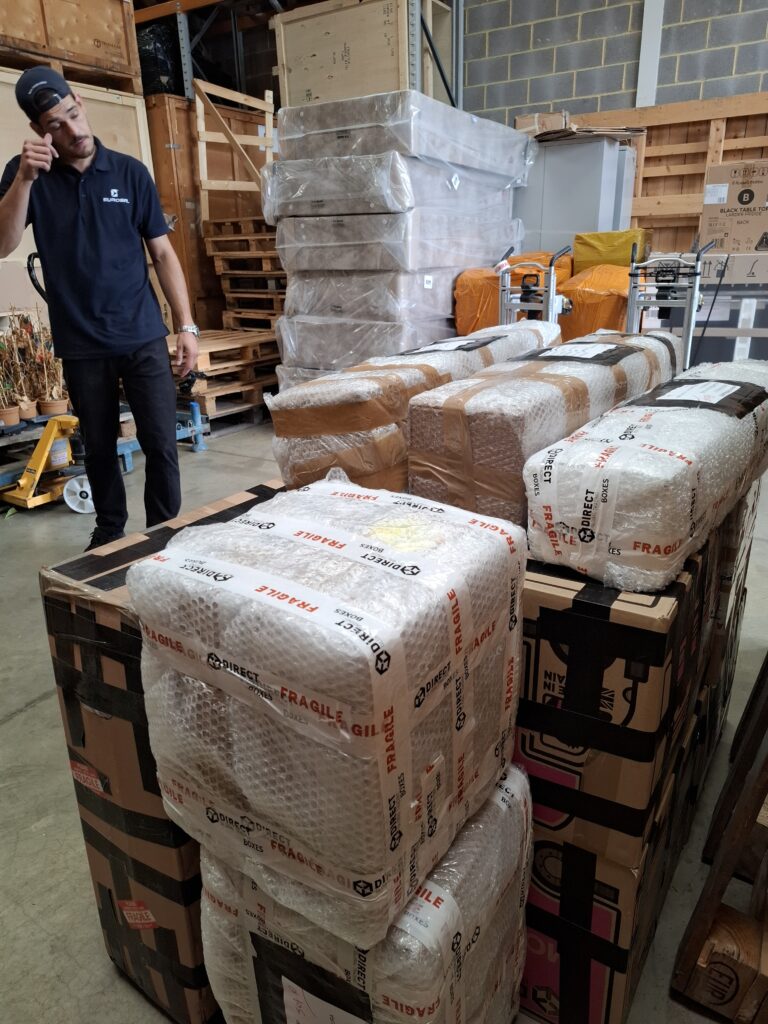
Packing Smart: How to Protect Your Belongings
Packing is one of the most important steps of any removal. Good materials and a little organisation go a long way.
Use proper packing materials
The right tools ensure your belongings arrive safely:
Double-wall cardboard boxes
Strong packing tape
Bubble wrap and protective foam
Stretch film
Labels and permanent markers
Sort your items by category
Keep fragile items, electronics and documents separate. Wrap each item individually and fill empty spaces to prevent movement inside the box.
Avoid oversized boxes
Large boxes may seem convenient, but they:
become too heavy to lift safely
increase the risk of items breaking
may be charged at a higher volumetric rate during transport
Ideal size: 60 × 40 × 40 cm — standard in Europe and easier to handle.
Label and number each box
This helps during:
loading and unloading
organising rooms in your new home
preparing your customs inventory list
resolving any issues in case of inspection

The Importance of a Packing List for Customs
If your move involves international shipping (Portugal, Brazil or elsewhere), a packing list is essential.
Why customs require an inventory
The list helps authorities confirm that:
items belong to you (personal effects)
goods are not commercial merchandise
values match what’s expected for personal relocation
What your list should include
A clear list avoids delays and extra fees. Include:
Description of items
Quantity
Approximate value
Condition (used/new)
Your full name and address
Tips to make it easier
Use numbered boxes linked to the inventory
Keep electronics and valuables separated
Avoid vague terms like “miscellaneous”
Use simple descriptions such as “Kitchen – plates (x10)”

Size and Weight Guidelines: Avoid Extra Charges
Transport companies in Europe use two types of calculation:
Real weight
Volumetric weight (height × width × depth ÷ factor)
You’re charged the highest of the two.
Why this matters
A very large box filled with light items can cost more than two medium boxes.
A small but extremely heavy box can be refused or require special handling.
Best practices
Keep all boxes under 25 kg where possible
Use medium boxes for books and heavy items
Use large boxes only for light items (pillows, bedding, clothing)
Avoid irregular shapes that increase volume

Before You Move: Administrative and Practical Checklist
Your belongings aren’t the only things that need organisation. Here’s what people most often forget:
Update your address with:
Banks
NHS / GP
Council Tax
Insurance companies
Internet, gas and electricity providers
Driving licence (DVLA)
Mail redirection
Use the Royal Mail Redirection Service to avoid losing important correspondence.
Maintenance and cleaning (for rented homes)
Many landlords require:
deep cleaning
small repairs
garden maintenance
carpet washing
This can avoid end-of-tenancy fees.
Parking suspension request
In London and many councils, you must request a temporary parking suspension so the moving van can park legally for several hours.
This prevents:
fines
delays
long walking distances carrying boxes
👉 Link interno sugerido: Parking Guidance – Eurobr (já existente no site).
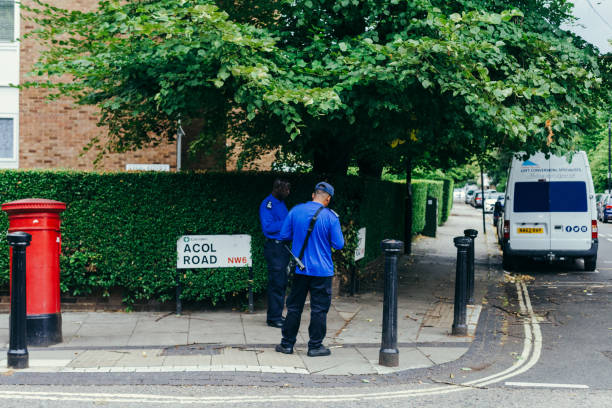
Parking Suspension and Access for the Moving Truck
This step is crucial if you live in central or controlled-parking areas.
Why you need a suspension permit
Councils protect residents’ parking spaces. For removals, they allow temporary exemptions — but you must request in advance.
How long it takes
Most councils require 3 to 10 days notice.
Fees vary by borough and duration.
Who should request it?
Both client and company can request, but clients often do it because the address belongs to them.
Eurobr can guide you with the steps and provide the information needed for the application.

Materials You Might Need Before Packing
To avoid last-minute stress, prepare your materials in advance:
Double-wall boxes
Bubble wrap
Stretch film
Packing tape
Labels
Mattress and sofa covers
Blankets for protection
Zip-lock bags for screws and small parts
Tip: buy 10–15% extra to avoid running out in the middle of packing.
Conclusion – Make Your Move Easier with Eurobr
A successful move is the result of good planning. With the right packing, a complete inventory, proper box sizes and all administrative tasks in order, your move becomes smoother and more economical.
At Eurobr Transports, we support you through every step — from packing to final delivery.
👉 Request your free quote today and move with confidence.